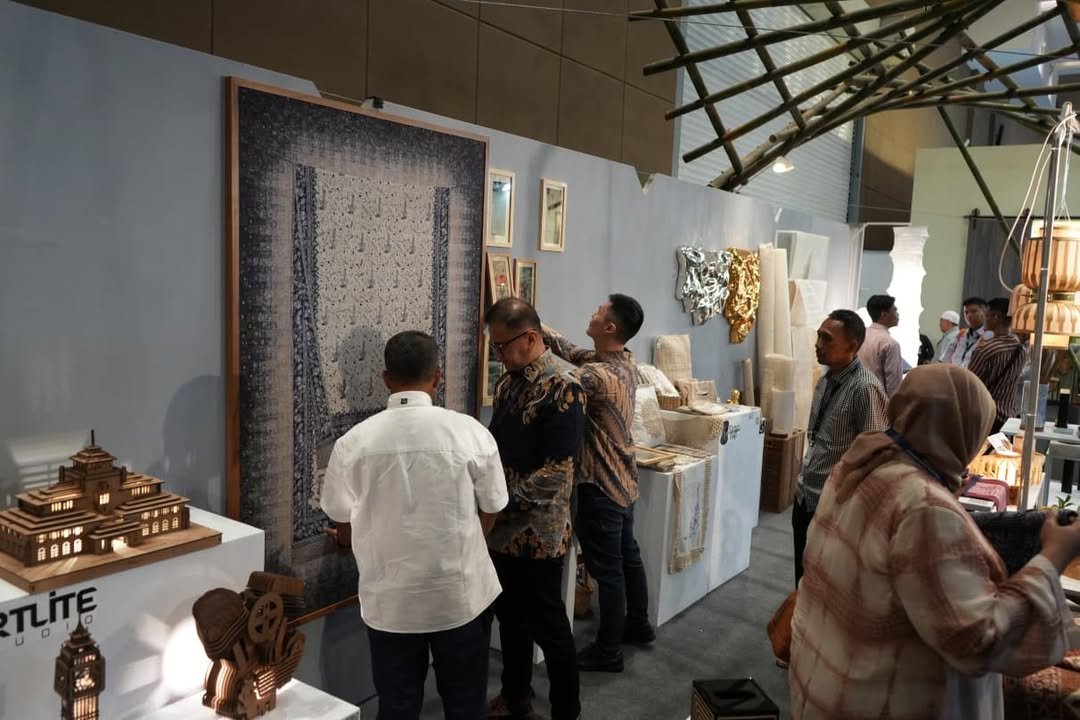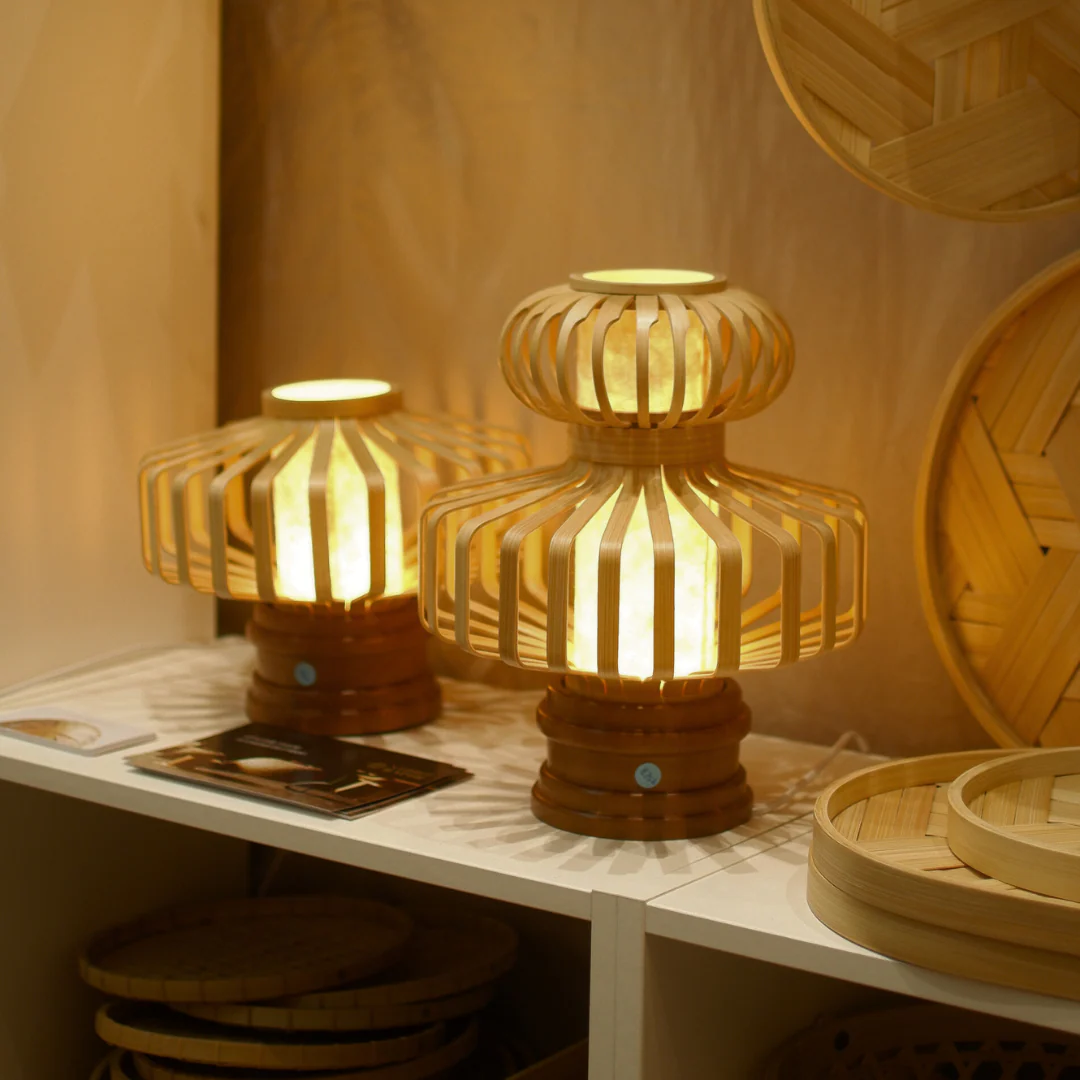

Bandung is officially recognised as a Creative City of Design in the UNESCO Creative Cities Network. The city has a creative city roadmap and policies that focus on creative infrastructure, support systems, and economic contribution from design based businesses.
This design culture flows into furniture. Instead of only producing standard items, many Bandung brands and workshops treat furniture as part of a wider creative ecosystem that includes architecture, interior design, graphic design, and product design.
Bandung Creative Hub and several creative industry centers act as spaces where designers, makers, and communities can collaborate and showcase work, including interior and furniture concepts.
Strong Design DNA And Youthful Style
Bandung is known nationally for its young, trend aware population and strong design schools. This creates a furniture identity that is:
-
Clean, modern, and often minimalist
-
Comfortable for daily use in apartments, landed houses, and co living spaces
-
Visually aligned with Bandung’s café, fashion, and lifestyle culture
Furniture is often treated as part of a “look” rather than just a functional object. Many interior studios in Bandung offer 3D design services together with custom furniture production so that every project feels cohesive from layout to final styling.
Café And Retail Culture As A Furniture Playground
Bandung is packed with cafés, restaurants, and boutique stores that experiment with interior concepts. This creates constant demand for furniture that is:
-
Instagram friendly
-
Space efficient for compact urban sites
-
Highly customised in color, finish, and detailing
Interior companies that serve Bandung often specialise in retail and hospitality projects, designing built in furniture, seating, and display systems that support brands as much as they support comfort.
For many furniture makers, these projects are a showroom in real life. A single café can become the place where customers first see and touch a new chair model or bench design.
Showrooms That Feel Like Real Homes
Bandung furniture showrooms and galleries tend to present complete interior scenes rather than rows of products. Showrooms such as Viku Furniture, for example, position themselves as both custom furniture producers and design partners, with physical spaces that display living room, bedroom, and office setups.
This approach reflects Bandung’s design forward mindset:
-
Customers can imagine how pieces fit into their own spaces
-
Lighting, accessories, and décor are used to tell a story
-
Furniture is shown as part of everyday life, not just as a catalog item
Collaboration Between Makers, Designers, And Communities
Bandung’s creative identity is supported by active communities, events, and collaborations in design and creative economy. Forums, exhibitions, and creative hubs bring together designers, brands, students, and entrepreneurs to share ideas and projects.For furniture, this means:
-
More experimentation with materials and forms
-
Opportunities for limited collections or installation pieces
-
A culture where feedback and iteration are normal
Bandung’s furniture scene stands out in Indonesia because it is not only about production capacity. It is about design, collaboration, and the lifestyle of a creative city.